Construction Cost per Sq.ft Explained
22 Aug 2026 · 4 min read
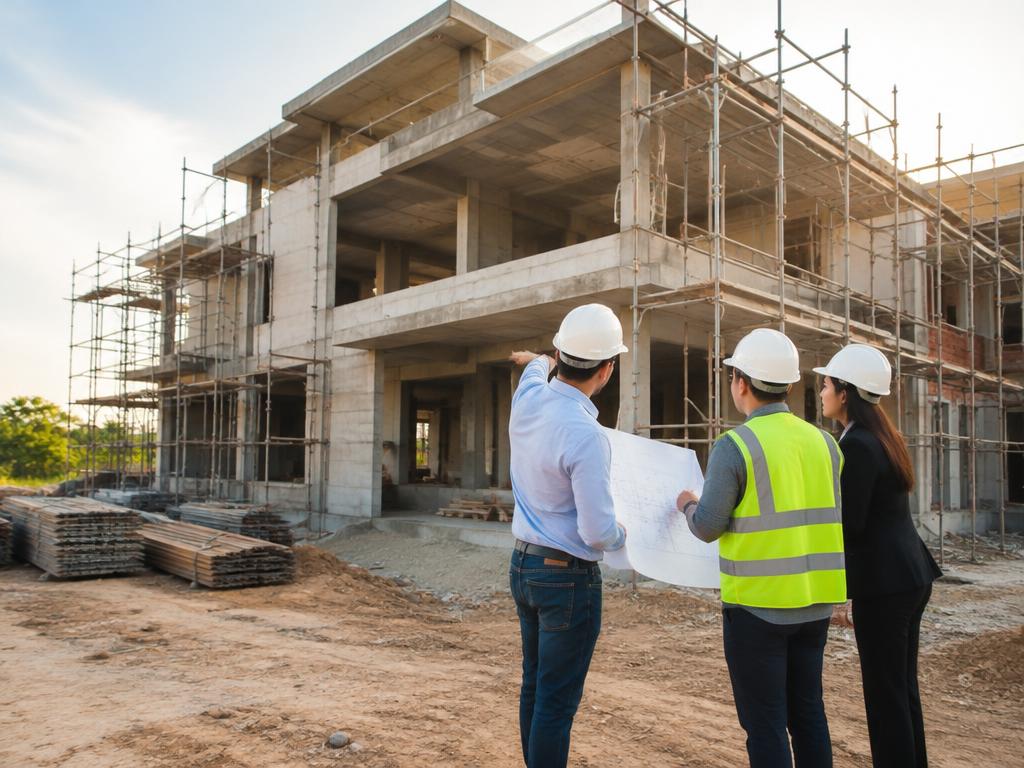
What's included in a construction package and how material choices change your budget.
A construction rate per square foot is a starting point, not a complete budget. Two quotes can show similar rates but cover different areas, materials and stages of work. Before comparing packages, agree the design, measurement basis and written scope. The final cost depends on the site and chosen specifications; no generic rate should be treated as a confirmed price for your home.
Agree the area being priced
Ask exactly how the contractor calculates chargeable area and how stairs, balconies, terraces, double-height spaces and other features are treated. A quote based on one area definition is not directly comparable with another. Use agreed drawings and a written calculation. Changing the area definition later can change the payable total even when the advertised per-square-foot rate remains unchanged.
Separate essential structure from finishes
Structural work and foundation design depend on engineering and site conditions, while finishes offer more discretionary choices. Ask a qualified design team how soil information and building loads affect the foundation. Never reduce safety-critical specifications merely to hit a headline rate. Keep required work separate from optional appearance upgrades so budget revisions do not undermine the integrity or intended use of the building.
Document materials and allowances
Specify the materials, quality standards and allowances included in the quote. Flooring, doors, windows, plumbing fixtures and electrical work can differ substantially between packages. Ask whether the stated allowance covers supply alone or installation and accessories too. Confirm how substitutions are approved and how price differences are handled when your selection exceeds an allowance; a vague premium description is not a measurable specification.
List exclusions before comparing totals
Ask about design fees, approvals, taxes, utility connections, site preparation, external works, compound walls, borewells, landscaping and interiors where relevant. Not every project needs each item, and not every package includes it. Prepare a separate allowance for identified exclusions and unresolved work. This makes a lower headline rate easier to evaluate and reduces the risk of treating essential additional costs as unexpected extras.
Use a clearly labelled example
If a hypothetical quote uses a chargeable area of 1,500 square feet at a hypothetical rate of ₹2,000 per square foot, the base amount is ₹30 lakh. That is arithmetic, not an MLA Dream Homes offer or a market benchmark. The complete budget still needs applicable taxes, agreed exclusions, provisional work and any changes. Use your own measured area and written quotation for a real decision.
Plan stages and variations
Agree payment milestones tied to defined work and clarify how progress is assessed. Record any design or material change with its cost and timing effect before authorising it. Ask how delays, price changes, defects and disputed work are handled in the contract. Keep a contingency suited to the project’s uncertainties, but do not use contingency as a substitute for a complete initial scope and estimate.
Compare on an itemised basis
Put competing quotes into the same area, scope and specification format. Identify exclusions, warranties, programme and supervision arrangements in writing. Ask a qualified professional to review technical differences where necessary. The most useful next step is a site-specific estimate based on coordinated drawings, not choosing solely by the cheapest rate. This article is a budgeting guide, not a structural specification or binding quotation.
Have a question?
Talk to our property experts for free.